Uncovering the Link: Could a Vitamin Deficiency Be Behind Your Dry Lips?
Ever had those super dry, cracked lips that just won't quit, no matter how much balm you slather on? It's really annoying. While things like cold weather or not drinking enough water are often the culprits, sometimes the problem runs a little deeper. Your dry lips could actually be a hint that your body isn't getting enough of certain important vitamins. It's not as common as other reasons for chapped lips, but it's definitely something to consider if your lips are always dry. Let's figure out what's going on with dry lips vitamin deficiency and how to get your lips feeling good again.
Key Takeaways
- If your dry lips stick around, it might mean you have a vitamin deficiency, even if it's not the first thing you think of.
- Things like B vitamins, iron, and zinc are really important for keeping your lips healthy.
- Looking at other body signs can help you figure out if a vitamin shortage is causing your lip problems.
- What you eat, any health problems you have, and even what food you can get can mess with your vitamin levels.
- Fixing dry lips from a vitamin deficiency often means changing your diet, maybe taking supplements, and talking to a doctor.
Understanding Vitamin Deficiency Dry Lips
The Link Between Vitamin Deficiency and Dry Lips
Okay, so you've got those dry, cracked lips that just won't go away? We've all been there. It's easy to blame the weather, but sometimes it's more than that. Persistent dry lips can actually be a sign that you're not getting enough of certain vitamins. It's easy to miss, but a lack of the right vitamins can really mess with your lip health. Think of it like this: your body needs specific nutrients to keep everything running smoothly, and that includes your skin. When you're short on those nutrients, your lips might be the first to show it. It's like your body's way of waving a little flag.
When to Suspect a Vitamin Deficiency
So, how do you know if your dry lips are more than just a minor annoyance? Well, think about a few things. Have you been trying every lip balm out there with no luck? Are your lips constantly chapped, even when you're drinking plenty of water? And are there other things going on, like feeling tired, mouth sores, or changes in your skin? If you answered yes to most of these, a vitamin deficiency might be the reason. It's not always obvious, but paying attention to these clues can help you figure out what's really going on.
Beyond Common Causes of Dry Lips
We all know the usual suspects when it comes to dry lips: dry air, too much sun, not enough water. But what if you've ruled those out? That's when it's time to think about less obvious causes, like vitamin deficiencies. It's easy to think that a simple lip balm will fix everything, but sometimes, the problem is inside. Things like restrictive diets, health issues, or even just not eating a balanced diet can lead to vitamin shortages that show up as dry, cracked lips. It's about looking beyond the surface and thinking about your overall health.
Key Vitamins for Lip Health
The Role of B Vitamins in Lip Integrity
B vitamins are a group of nutrients that play a big part in keeping your lips in good shape. They're involved in cell function and tissue repair, so if you're low on them, your lips might get chapped. There are eight different B vitamins, and it can be tricky to get enough if your diet isn't varied. B2 (riboflavin), B6, B9, and B12 seem to be especially important for lip health. If you have digestive issues or you're a vegan, you might need to pay extra attention to your B vitamin intake.
Iron's Impact on Lip Tissue
Iron deficiency can show up in some unexpected ways, including your lips. If you notice cracks at the corners of your mouth or sores inside your mouth, it could be a sign that you're not getting enough iron. It's a good idea to get checked out by a doctor if you see these symptoms. Iron is needed to make healthy blood cells, and without enough, your body can't repair tissues as well as it should.
Zinc's Contribution to Healthy Lips
Zinc is a mineral that helps with skin health and your immune system. You can find it in foods like animal protein, nuts, seeds, and even mushrooms. If you're not getting enough zinc, you might notice that your lips are dry. It plays a role in keeping your skin healthy, so a deficiency can affect your lips.
It's worth noting that while these vitamins are important, a balanced diet is key. Don't just focus on one or two nutrients; aim for a variety of foods to ensure you're getting everything your body needs.
Identifying Specific Vitamin Deficiencies
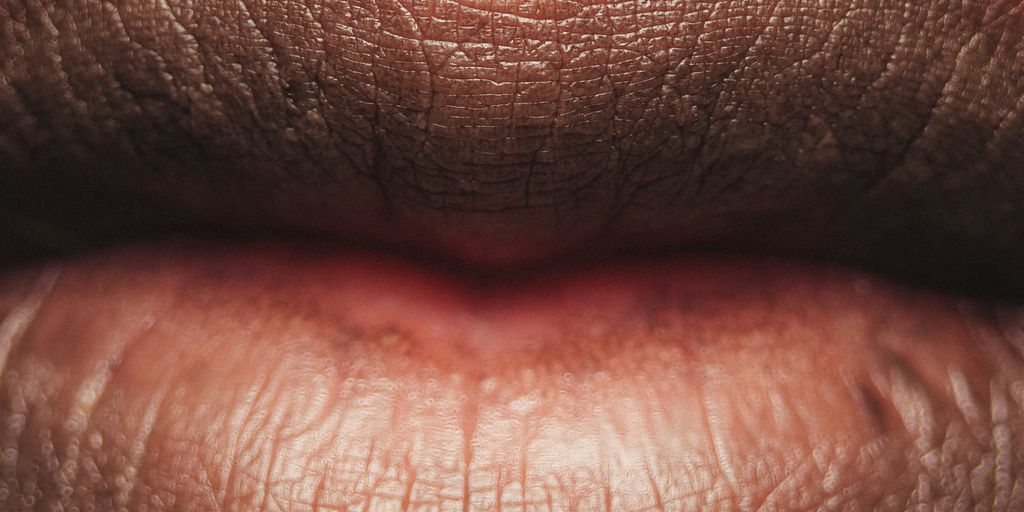
Recognizing Iron Deficiency Symptoms
Iron deficiency can manifest in ways you might not immediately associate with your lips. It's more than just feeling tired; it's about your body struggling to transport oxygen efficiently. Keep an eye out for these telltale signs:
- Persistent fatigue, even after adequate rest.
- Unusual paleness of the skin, especially noticeable in the face and gums.
- Brittle nails that crack or break easily.
- Shortness of breath or dizziness, even with minimal exertion.
If you're experiencing these symptoms alongside stubborn dry lips, it's worth considering an iron deficiency as a potential cause. Don't just brush it off as stress or lack of sleep; your body might be signaling a deeper issue.
Spotting B Vitamin Shortages
B vitamins are a group of essential nutrients, and a shortage can show up in some unpleasant ways. It's not always obvious, but here's what to look for:
- Cracks at the corners of your mouth (angular cheilitis).
- A swollen or inflamed tongue (glossitis).
- Numbness or tingling in your hands and feet.
- Skin rashes or dermatitis.
Signs of Zinc Insufficiency
Zinc is super important for skin health, so a lack of it can definitely affect your lips. Dry, irritated lips that just won't seem to heal can be a key indicator of a zinc deficiency. Here are some other signs to watch out for:
- Impaired wound healing (cuts and scrapes take longer to heal).
- A weakened sense of taste or smell.
- White spots on your fingernails.
- Hair loss.
It's important to remember that these symptoms can also be caused by other things, so it's always best to chat with a doctor to get a proper diagnosis.
Addressing Vitamin Deficiency Dry Lips
Dietary Adjustments for Improved Lip Health
Okay, so you're pretty sure a vitamin thing is behind your dry lips? The first thing to do is look at what you're eating. Changing your diet can really help. Think of it like feeding your lips from the inside. Eat more foods with B vitamins, iron, and zinc. Things like leafy greens, meat that isn't too fatty, nuts, and whole grains should be on your shopping list. It's not about cutting things out, it's about adding good stuff in!
The Role of Targeted Supplementation
Sometimes, just changing your diet isn't enough, especially if your body has trouble absorbing vitamins or if you're really low on something. That's where supplements can help. But don't just grab any random multivitamin. It's better to focus on the specific vitamin you need. For example, if you're low on iron, an iron supplement might be the way to go. But be careful! Too much of some vitamins can be bad for you, so it's important to be smart about it. Here's a quick guide:
- Iron: Helps with blood flow and tissue repair.
- Zinc: Important for cell growth and wound healing.
- B Vitamins: Keep your skin healthy and prevent cracking.
Consulting a Healthcare Professional for Diagnosis
I'm just a blog writer, not a doctor. If you've had dry lips for a while and nothing seems to help, you should talk to a doctor. They can do tests to see if you're actually low on any vitamins and figure out if something else is causing your lip problems. They might suggest blood tests or other exams to get to the bottom of it. Don't just guess when it comes to your health!
It's easy to think you know what's going on, but a doctor can really help you figure out the best way to fix your dry lips. They can also tell you if there's something else going on that you need to worry about.
Beyond Nutritional Causes of Dry Lips
While figuring out if a vitamin shortage is behind your dry lips is important, it's not the only thing to consider. Sometimes, dry lips happen because of other stuff entirely. Let's look at some common reasons.
Environmental Factors and Lip Dryness
Weather plays a huge role. Think about it: strong winds, super cold weather, and bright sunshine can all pull moisture away from your lips. I remember one summer where my lips were so dry they cracked every time I smiled. Not fun! Also, low humidity inside, especially when the heat is on full blast in the winter, can make things worse. Being outside a lot without protection is a bad idea.
The Impact of Skincare Products on Lip Health
Believe it or not, your favorite lip balm could be part of the problem. Some lipsticks, especially the ones that last a long time and have a matte finish, can remove natural oils from your lips. Flavored lip balms, while they smell good, can also cause irritation. It's like you're stuck using more and more, but it never really helps. Even some toothpastes can irritate the skin around your mouth. I switched to a sensitive toothpaste once, and it helped a lot.
Underlying Health Conditions and Dry Lips
Sometimes, dry lips can be a sign of something else going on in your body. For example, dehydration can cause dry lips. Also, some medications can have dry lips as a side effect. It's important to think about your overall health and any medicines you're taking if you're dealing with dry lips.
It's easy to focus on just putting stuff on your lips, but sometimes the problem is deeper. Our gut health can affect our skin, and the lips are no exception. If your body isn't absorbing nutrients well because of digestive problems, it can lead to dry, chapped lips.
Preventative Measures for Healthy Lips
Maintaining Optimal Hydration
Staying properly hydrated is a simple, yet effective way to keep your lips healthy and prevent them from drying out. Dehydration can quickly lead to chapped lips, so make it a habit to drink water throughout the day. I always carry a water bottle with me, it's a good reminder. It's easy to forget to drink enough, especially when you're busy. Try setting reminders on your phone or computer to take a water break.
- Carry a reusable water bottle.
- Set reminders to drink water every hour.
- Choose water over sugary drinks or sodas.
Keeping your body hydrated helps maintain moisture levels in your skin, including your lips. It's an easy step that can make a big difference.
Protecting Lips from Environmental Stressors
Our lips are constantly exposed to the elements, and harsh weather can really take a toll. Whether it's the blazing sun or the biting wind, it's important to protect your lips. I've found that using a lip balm with SPF is a must, even on cloudy days. And when it's really cold, I always wrap a scarf around my face to shield my lips from the wind. It makes a big difference!
- Use lip balm with SPF 30 or higher.
- Cover your lips with a scarf in cold or windy weather.
- Reapply lip balm frequently, especially after eating or drinking.
Choosing Lip Products Wisely
Did you know that some lip products can actually make your lips drier? It's true! Some lipsticks, especially those long-lasting matte ones, contain ingredients that strip your lips of their natural oils. And flavored lip balms, while tempting, can also cause irritation. Opt for fragrance-free lip balms and avoid using drying lip cosmetics. I switched to a sensitive toothpaste once and it made a huge difference.
- Choose lip balms with natural ingredients like shea butter or beeswax.
- Avoid lipsticks with drying ingredients like alcohol or artificial fragrances.
- Gently exfoliate your lips once a week to remove dead skin cells.
Wrapping It Up: Your Lips and Your Health
So, we've talked a lot about dry lips and how they might be trying to tell you something important about your health. It's easy to just grab another lip balm, but sometimes, that's not enough. If your lips are always dry, even after you've tried all the usual stuff, it might be time to think about what's going on inside your body. Getting enough vitamins and minerals is a big deal for your whole body, and that includes your lips. If you're worried about a vitamin problem, talking to a doctor is a good idea. They can help you figure out what's going on and get you back to feeling good, with happy, healthy lips.
Frequently Asked Questions
Can dry lips really be a sign of not enough vitamins?
Yes, sometimes. While many things can cause dry lips, like cold weather or not drinking enough water, ongoing dry lips might signal that your body isn't getting enough of certain important vitamins. It's a good idea to consider this if other common fixes don't work.
Which vitamins are most important for lip health?
Several vitamins are key for healthy lips. B vitamins, especially B2 (riboflavin), are very important for cell health and repair. Iron helps your body make healthy blood cells, which are needed for good tissue repair. Zinc is also crucial for skin health and healing. If you're low on these, your lips might show it.
How do I know if my dry lips are due to a vitamin shortage?
If your dry lips stick around even after you've tried lip balm, drinking more water, and protecting them from the sun and wind, then it's worth thinking about a vitamin problem. Also, if you have other symptoms like feeling very tired, mouth sores, or changes in your skin, these could be clues.
What's the best way to get enough of these vitamins for my lips?
The best way is to eat a balanced diet with lots of fruits, vegetables, lean meats, and whole grains. Foods rich in B vitamins include leafy greens, eggs, and dairy. For iron, think red meat, beans, and spinach. Zinc can be found in nuts, seeds, and chicken. If you have trouble getting enough from food, a doctor might suggest supplements.
Should I see a doctor if I think I have a vitamin deficiency causing dry lips?
It's always a good idea to talk to a doctor or a nutritionist. They can do tests to see if you're truly low on any vitamins and give you the best advice on how to fix it safely. Don't just start taking a lot of supplements without talking to a professional first.
Are there other reasons for dry lips besides not enough vitamins?
While vitamins play a role, many other things can cause dry lips. These include very dry or cold weather, not drinking enough water, licking your lips too much, using certain lip products, or even some health conditions. It's important to consider all possibilities.