The Link Between Dry Lips and Vitamin Deficiency: What You Need to Know
You know, sometimes those dry, cracked lips just won't quit, no matter how much balm you slather on. It can be really annoying, right? Well, it turns out that persistent lip dryness might be trying to tell you something more. We're talking about a potential dry lips vitamin deficiency, and it's more common than you might think. Let's get into what your lips could be saying about your overall health.
Key Takeaways
- Persistent dry lips can sometimes be a sign that your body is lacking essential vitamins and minerals.
- B vitamins, particularly B2 (riboflavin) and B3 (niacin), are crucial for lip health, and deficiencies can lead to dryness, cracking, and sores.
- Iron deficiency can also contribute to dry, chapped lips and inflammation, especially at the corners of the mouth.
- While less common, an excess of Vitamin A can paradoxically cause dry lips and other more serious health issues.
- If you suspect a nutrient imbalance is causing your dry lips, it's best to consult a healthcare professional for proper diagnosis and guidance on diet or supplements.
Understanding Dry Lips and Vitamin Deficiency
The Connection Between Lip Health and Nutrition
Ever notice how your lips can feel dry and chapped, no matter what you do? Sometimes, it's not just about the weather or that new lip balm. Your lips can actually be a window into what's going on inside your body, especially when it comes to vitamins and minerals. A persistent lack of moisture on your lips might be a sign that your body isn't getting enough of certain essential nutrients. Think of your lips as a sensitive indicator; they're often one of the first places to show signs of imbalance. Proper nutrition is key to keeping your skin, including the delicate skin on your lips, healthy and hydrated. When your diet is lacking, your lips can start to show it.
When Dry Lips Signal a Deeper Issue
We all get dry lips now and then. Maybe you were out in the wind, or perhaps you forgot to drink enough water. But if your lips are constantly dry, cracking, or peeling, and regular lip balm isn't helping, it's worth looking a bit deeper. This kind of persistent dryness could be your body's way of telling you something else is going on. It's not just about external factors; internal deficiencies can play a big role. For instance, not getting enough B vitamins or iron can really affect your lip health. It’s like a little alarm bell your body is ringing.
Identifying Dry Lips as a Symptom
So, how do you know if your dry lips are more than just a minor annoyance? Keep an eye out for a few things. Beyond just dryness, look for:
- Cracked corners of the mouth
- Swollen or red lips
- Peeling skin that doesn't seem to heal
- A sore or inflamed feeling
These symptoms, especially when they stick around, can point towards a nutritional gap. For example, a lack of riboflavin (B2) can lead to mouth ulcers, and not enough niacin (B3) might make your tongue and mouth feel swollen and red, alongside dry lips. It’s important to remember that while these symptoms can indicate a deficiency, they can also be caused by other things, so it’s always best to check with a doctor if you’re concerned. If you're looking for a way to keep your lips hydrated in the meantime, something like Avocado Bliss Lip Balm can offer some relief.
Sometimes, the simplest explanations are the most overlooked. Before you try a dozen different products, consider if your diet might be the missing piece of the puzzle for your lip health.
Key Vitamins Linked to Dry Lips
So, you've got these persistently dry lips, and you're wondering if it's more than just the weather. Turns out, your diet might be playing a bigger role than you think, especially when it comes to certain vitamins. Our lips are pretty sensitive, and they really rely on a steady supply of nutrients to stay happy and hydrated. If yours are constantly chapped, it's worth looking at what you're eating.
The Role of B Vitamins in Lip Health
The B vitamins are a whole crew of water-soluble vitamins, and they're super important for all sorts of things in our bodies, including keeping our skin, and yes, our lips, in good shape. When you're not getting enough of these, your lips can start to show it.
- Riboflavin (B2): This one is key for energy production and keeping your skin, hair, and nails healthy. If you're low on B2, you might notice your lips getting swollen, cracked, or even developing little sores.
- Niacin (B3): Niacin helps maintain healthy skin and mucous membranes. A lack of B3 can lead to dry, chapped lips, and sometimes your tongue might look red and swollen too. It's not super common to be deficient in niacin in places where food is plentiful, but it can happen.
- Pyridoxine (B6): This vitamin is also linked to skin health. Not having enough B6 can result in those annoying cracks appearing at the corners of your mouth, a condition sometimes called angular cheilitis.
It's important to remember that B vitamins work together. If you suspect a deficiency, it's best to talk to a doctor before you start taking supplements, as taking too much of one can throw off the balance of others.
Riboflavin (B2) and Its Impact on Lips
Riboflavin, or vitamin B2, is a real workhorse for your body. It helps convert food into energy, which is pretty vital. When your body doesn't have enough B2, your lips can become a bit of a mess. We're talking about dryness, cracking, and sometimes even little ulcers or sores forming, especially around the mouth. It’s like your lips are sending out an SOS signal that they need more B2 to stay healthy and intact.
Niacin (B3) Deficiency and Lip Symptoms
Niacin, also known as vitamin B3, is another player in the lip health game. If your niacin levels dip too low, your lips might feel dry and chapped. You could also notice your tongue looking red and a bit puffy, and your mouth might just feel generally sore. This can also be associated with skin issues elsewhere on the body.
Pyridoxine (B6) and Cracked Mouth Corners
Vitamin B6, or pyridoxine, is often implicated when you see those uncomfortable cracks forming at the corners of your mouth. This condition, known as angular cheilitis, happens when the skin in those corners gets dry, thin, and breaks down, making it easy for bacteria or yeast to cause irritation. Getting enough B6 is important for keeping that delicate skin healthy and preventing these painful splits.
| Vitamin | Potential Lip Symptom |
|---|---|
| Riboflavin (B2) | Swollen, cracked lips; mouth sores |
| Niacin (B3) | Dry, chapped lips; red, swollen tongue |
| Pyridoxine (B6) | Cracked corners of the mouth (angular cheilitis) |
Minerals That Can Affect Lip Moisture
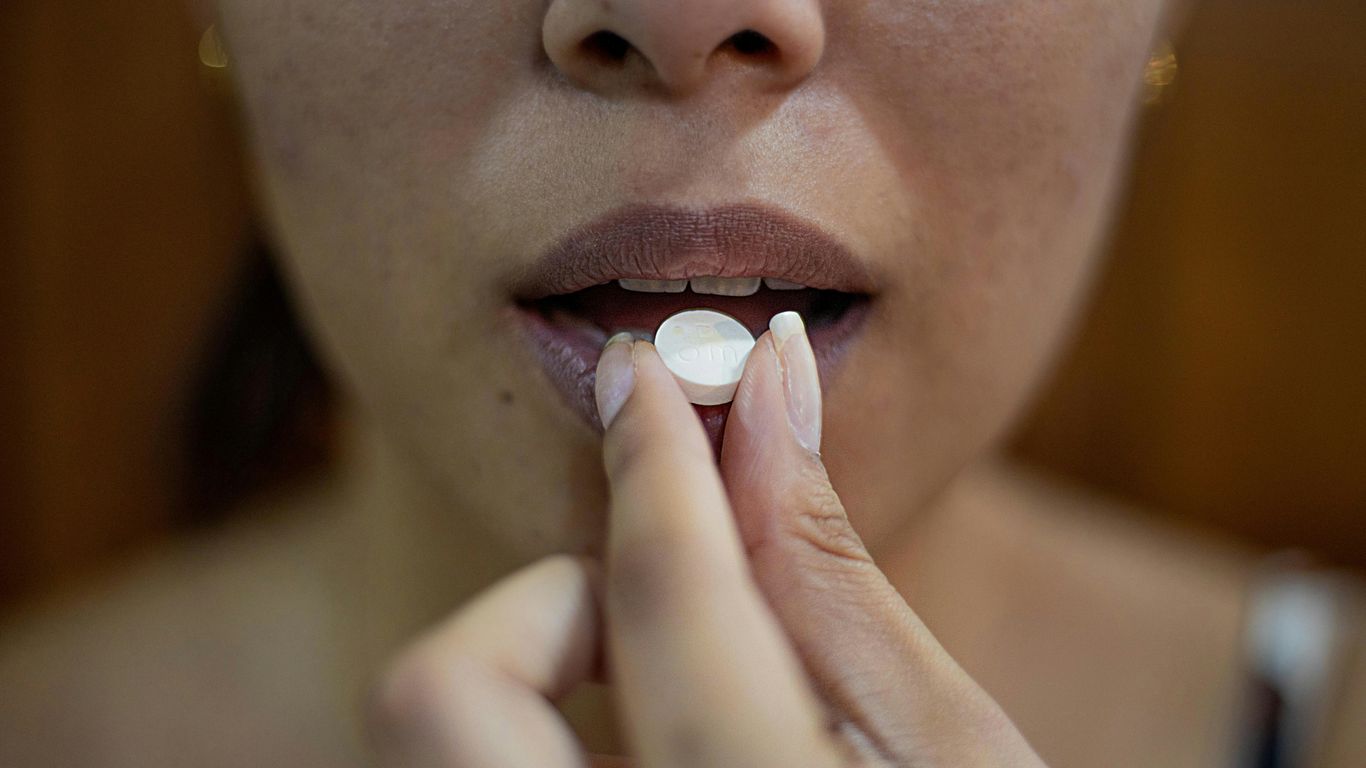
So, we've talked about vitamins, but what about minerals? Turns out, these little guys play a big role in keeping your lips from feeling like sandpaper. It's not just about hydration; sometimes, what you're eating (or not eating) can really show up on your face, especially your lips.
Iron Deficiency and Lip Inflammation
Ever notice your lips feeling a bit inflamed or getting those annoying cracks at the corners of your mouth? That could be your body telling you it's low on iron. Iron is super important for carrying oxygen around, but it's also involved in how our skin cells behave. When iron levels drop, it can mess with how quickly your skin repairs itself, especially in those delicate mouth corners. This can lead to thinning skin there, making it easier for bacteria or yeast to set up shop, causing that sore, cracked feeling.
Zinc's Importance for Plump and Healthy Lips
Zinc is another mineral that’s a big deal for your skin, and yes, that includes your lips. It’s involved in hundreds of body processes, and when you don't have enough zinc, your skin health can take a hit. This can show up as dryness, irritation, and even inflammation around your mouth. Getting enough zinc is key for keeping your lips looking and feeling their best.
How Iron Deficiency Manifests on the Lips
When your iron stores are low, you might see a few things happening with your lips. The most common sign is something called angular cheilitis, which is basically painful cracking and redness right at the corners of your mouth. It can make talking or eating uncomfortable. Sometimes, you might also notice your lips looking generally dry and maybe even peeling a bit more than usual. It’s not just about dryness; it’s about the skin’s ability to stay healthy and intact.
It's easy to overlook these subtle signs, but your lips can be a window into your overall nutritional status. Paying attention to how they feel and look might just give you a clue about what your body needs.
Beyond Vitamins: Other Causes of Dry Lips
While we've talked a lot about vitamins and minerals, it's important to remember that dry lips aren't always about what you're not getting enough of. Sometimes, other factors are at play, and understanding these can help you get to the bottom of persistently chapped lips.
Dehydration's Effect on Lip Moisture
This one might seem obvious, but it's easy to overlook. Not drinking enough water is a super common reason for dry lips. Your lips, like the rest of your skin, need hydration to stay plump and comfortable. When you're dehydrated, your body prioritizes its vital organs, and your lips might be one of the first places to show the signs of thirst. You might also notice other symptoms like feeling thirsty, having a dry mouth, headaches, or not needing to pee as often.
Medications and Topical Treatments
It's a bit of a double-edged sword, but some things we use to treat other conditions can actually cause dry lips. Certain medications, like some acne treatments (think retinoids, which are related to Vitamin A), blood pressure drugs, or even some antiviral medications, can have dry lips as a side effect. Even certain toothpastes or lip products can cause irritation. If you've started a new medication or changed your skincare routine and noticed your lips getting worse, it's worth looking into.
Environmental Factors and Lip Care
Your surroundings play a big role too. Cold, dry air, especially during winter, can really zap moisture from your lips. Similarly, spending too much time in the sun without protection can also lead to dryness and damage. Even habits like constantly licking your lips can make them drier, as the saliva evaporates and takes more moisture with it. Picking at dry skin on your lips also doesn't help and can lead to irritation and more dryness.
Sometimes, the simplest explanations are the most overlooked. Before you start stocking up on supplements, take a good look at your daily habits and environment. Are you drinking enough water? Are you exposed to harsh weather? Have you changed any products you use on your face or lips recently? These everyday things can have a significant impact on your lip health.
When Excess Vitamins Cause Dryness
It might seem counterintuitive, but sometimes, too much of a good thing can actually lead to dry lips. While we often talk about deficiencies, certain vitamins, when taken in very high amounts, can cause adverse effects, and dry, cracked lips can be one of them. It's not as common as deficiency-related dryness, but it's definitely something to be aware of, especially if you're a big fan of supplements.
The Impact of Too Much Vitamin A
Vitamin A is a nutrient our bodies need, and it's great for things like vision and immune function. It's a fat-soluble vitamin, meaning your body stores it, which is why it's possible to get too much. When you consume excessive amounts of Vitamin A, whether from supplements, certain medications, or even a diet very high in liver or fish oil, it can lead to a condition called hypervitaminosis A. One of the noticeable signs of this can be dryness and cracking around the mouth and on the lips. Even topical treatments containing retinoids, which are derived from Vitamin A, can cause dryness if used too frequently or without proper precautions.
Risks Associated with Vitamin A Overconsumption
Taking way too much Vitamin A isn't just about dry lips, though. It can actually be quite serious. For adults, symptoms of Vitamin A toxicity can include:
- Headaches
- Dizziness
- Nausea
- Skin irritation and peeling
- Bone and joint pain
- Blurred vision
In pregnant women, excessive Vitamin A intake is particularly concerning because it can lead to birth defects. For everyone, very high doses over a long period can potentially cause liver damage. It really highlights the importance of sticking to recommended daily allowances and talking to a doctor before starting high-dose supplements.
It's easy to think that if a little bit of a vitamin is good, more must be better. But when it comes to fat-soluble vitamins like A, D, E, and K, your body stores what it doesn't use. This storage can build up over time, and if you're taking in more than your body needs, it can actually become toxic. So, always check those labels and consult with a healthcare provider if you're unsure about your supplement regimen.
So, if your lips are suddenly feeling extra dry and chapped, and you haven't changed your skincare routine or hydration habits, it might be worth looking at your vitamin intake, especially if you've recently started or increased any supplements. It's always best to get your nutrients from a balanced diet, but if you do take supplements, moderation and professional advice are key.
Addressing Dry Lips Due to Nutrient Imbalances
So, your lips are feeling like sandpaper, and you're wondering if it's more than just the weather. Sometimes, persistent dryness or cracking, especially around the corners of your mouth, can point to a lack of certain vitamins or minerals. It's not always the first thing you think of, but it's definitely worth considering if other common causes don't seem to fit.
Dietary Strategies for Healthier Lips
Getting your lips back in shape often starts with what's on your plate. A balanced diet is your best bet for getting all the good stuff your body needs. Think about incorporating a variety of foods to cover your bases.
- B Vitamins: These are big players in skin health. Foods like lean meats, eggs, dairy, leafy greens, and whole grains are good sources. If you're not eating a lot of these, you might be missing out.
- Iron: Red meat, beans, lentils, and spinach are packed with iron. Your body needs iron for all sorts of things, including keeping your skin healthy.
- Zinc: Oysters, beef, pumpkin seeds, and chickpeas are good ways to get your zinc. It's important for skin repair and keeping things plump.
If your lips are consistently dry or cracked, especially at the corners, it might be a sign that your body isn't getting enough of certain nutrients. Paying attention to your diet is a good first step.
When to Consider Supplements
While food is usually the way to go, there are times when supplements might be helpful. If you suspect a deficiency, or if you have a condition that makes it hard to absorb nutrients (like certain digestive issues), a supplement could be an option. However, it's really important not to just start taking a bunch of pills without knowing what you're doing. Taking too much of some vitamins, like Vitamin A, can actually cause more problems, including dry lips!
Consulting a Healthcare Professional
Honestly, the best move if you're worried about nutrient deficiencies and dry lips is to chat with your doctor or a registered dietitian. They can help figure out if a deficiency is actually the cause and recommend the right course of action. They might suggest blood tests to check your levels or give you personalized advice on diet or supplements. Trying to self-diagnose can sometimes lead you down the wrong path, so getting professional input is usually the smartest way to go.
Sometimes, dry lips can be a sign that your body isn't getting enough of certain vitamins or minerals. If you're struggling with chapped lips, it might be worth looking into your diet. For more tips on keeping your lips healthy and hydrated, visit our website!
Wrapping Up: What Your Lips Are Trying to Tell You
So, if you're finding your lips are constantly dry, cracked, or just not feeling right, it might be worth looking beyond just the weather or that new lip balm. While environmental factors and dehydration are common culprits, sometimes your lips are trying to signal something deeper, like a vitamin deficiency. We talked about how B vitamins, iron, and even zinc can play a role in keeping your lips healthy. If you've tried the usual fixes and nothing seems to help, it could be a sign to chat with a doctor or a dietitian. They can help figure out if you're missing out on certain nutrients and how to get back on track with a balanced diet. Remember, taking care of your lips is part of taking care of your whole body.
Frequently Asked Questions
Can not having enough vitamins make my lips dry?
Yes, it's true. When your body doesn't get enough vitamins, your lips can become dry, cracked, or even get sores. Vitamins like B2 and B3 are super important for keeping your skin and the inside of your mouth healthy. If these vitamins are low, your lips might look red, feel sore, or get flaky.
Which B vitamins are most linked to dry lips?
Several B vitamins can affect your lips. Not having enough B2 (riboflavin) can lead to dry, cracked lips or mouth sores. A lack of B3 (niacin) can also cause dry, chapped lips and a red, swollen tongue. B6 (pyridoxine) deficiency is often linked to cracks forming at the corners of your mouth.
Can iron deficiency cause dry lips?
Yes, it can. When your body doesn't have enough iron, it can lead to a condition called angular cheilitis, which causes cracks at the corners of your mouth. This can make your lips feel dry and chapped. Sometimes, lip peeling can also be a sign that you're low on iron.
What other things besides vitamins can cause dry lips?
Lots of things can make your lips dry! Not drinking enough water (dehydration) is a big one. Even things like cold weather, wind, certain medicines, or even some toothpastes and lip balms can irritate your lips and make them dry. Sometimes, conditions like thyroid problems can also play a role.
Is it possible for too much of a vitamin to cause dry lips?
Surprisingly, yes! Too much Vitamin A can actually lead to dry, cracked lips. This is because Vitamin A is stored in your body, and taking too much, especially from supplements, can cause various side effects, including making your lips dry.
What should I do if I think my dry lips are from a vitamin deficiency?
If you think your dry lips are due to not getting enough vitamins, it's best to talk to a doctor or a health expert. They can help figure out if a deficiency is the real problem and suggest the right way to fix it, whether that's through diet changes or supplements. Trying to fix it on your own with too many supplements might not be helpful and could even cause other issues.